

Wheelchair Ramp Portable
Add a review FollowOverview
-
Founded Date 26 Mayıs 1975
-
Sectors Başkan
-
Posted Jobs 0
-
Viewed 22

Company Description
Speak “Yes” To These 5 Mobility Ramps Tips

Mobility Ramps for Homes: Enhancing Accessibility and Independence
As society continues to progress towards inclusivity and availability, Mobility Ramps For Home ramps have actually become vital fixtures in many homes. These ramps not only offer a way of entry for individuals with mobility difficulties however likewise promote independence, safety, and benefit. This article dives into the various aspects of mobility ramps for homes, guiding property owners through their types, advantages, installation considerations, upkeep, and often asked concerns.
Comprehending Mobility Ramps
Mobility ramps are created to assist in the movement of individuals using wheelchairs, scooters, or other mobility aids. They make it possible for much easier access to homes, garages, and exit points without the need for substantial physical effort or help.
Secret Benefits of Mobility Ramps
-
Independence: Mobility ramps empower people to go into and exit their homes without depending on assistance, cultivating a sense of independence.
-
Security: A proper ramp reduces the danger of falls and injuries that can take place when steering stairs.
-
Adaptability: These ramps can be built for numerous environments and can be temporary or permanent services.
-
Home Value: Installing a mobility ramp can increase the overall value of a home as it promotes inclusivity.
-
Ease of Use: Designed for a variety of Mobility Ramps For Home levels, ramps accommodate wheelchairs, walkers, and individuals with limited mobility.
Kinds Of Mobility Ramps
Selecting the ideal mobility ramp depends upon specific needs, physical area, and spending plan. Here’s a comprehensive comparison of common kinds of mobility ramps:
| Ramp Type | Description | Pros | Cons |
|---|---|---|---|
| Portable Ramps | Lightweight, quickly transportable ramps, typically made from aluminum. | Easy to keep and move, perfect for temporary needs. | Restricted weight capacity, might not be ideal for irreversible usage. |
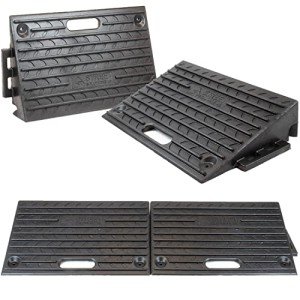
| Limit Ramps | Short Disability Ramps designed to bridge entryways or doorways. | Simple installation, helpful for little height distinctions. | Not ideal for bigger stairs or steep inclines. |
| Long-term Ramps | Constructed from wood, aluminum, or concrete, these ramps are indicated for long-term use. | Tough and resilient, customizable to various lengths and heights. | More pricey and might need planning/building authorizations. |
| Folding Ramps | Ramps that can fold for easy transportation or storage. | Storable and good for several usages. | Possibly less steady than permanent alternatives. |
| Modular Ramps | Pre-fabricated areas that can be put together to develop a custom-made ramp design. | Easy to set up and rearrange, adaptable to various areas. | May have a higher upfront cost compared to other ramps. |
Installation Considerations
Prior to including a mobility ramp to a home, several aspects require to be considered to ensure optimum performance and security:
-
Space Assessment: Measure the area where the ramp will be set up, representing existing structures and paths.
-
Building regulations: Familiarize yourself with local building regulations and policies to ensure compliance, especially for irreversible ramps.
-
Slope Ratio: The Americans with Disabilities Act (ADA) suggests a slope ratio of 1:12 for wheelchairs. This means for every single inch of vertical increase, there ought to be at least 12 inches of ramp run.
-
Product Selection: Choose a material that is resilient and weather-resistant to lengthen the ramp’s life expectancy.
-
Surface Texture: Ensure the ramp has a non-slip surface to decrease the threat of mishaps, especially in inclement weather.
-
Handrails: Consider installing handrails for additional support, especially on longer ramps or those with steeper slopes.
Maintenance of Mobility Ramps
Maintaining mobility ramps is vital for ensuring security and durability. Here are some pointers:
-
Regular Inspections: Inspect the Wheel Chair Ramp often for damage, wear, or loose bolts that might impact stability.
-
Cleaning: Keep the ramp clear of debris, such as leaves and snow, to prevent slipping risks.
-
Surface area Repair: Address any surface issues, such as breaking or splintering, in wooden ramps quickly.
-
Repaint if Necessary: For metal ramps, repainting can assist avoid rust and deterioration.
-
Inspect Handrails: Ensure handrails are firmly secured and can support weight when needed.
Often Asked Questions (FAQ)
1. Do I need a permit to install a mobility ramp?
Yes, depending upon local guidelines, an authorization might be required, especially for permanent ramps. It’s recommended to consult your regional structure authority.
2. How much does a mobility ramp expense?
The cost of mobility ramps varies commonly based upon the type, materials, and setup requirements. Portable ramps can begin at a couple of hundred dollars, while long-term ramps can range from ₤ 1,000 to ₤ 5,000 or more.
3. Can I set up a ramp myself?
While some portable ramps are simple to set up, irreversible ramps frequently need professional setup to ensure safety and compliance with structure codes.
4. How do I identify the right slope for my ramp?
Follow the ADA standards of a 1:12 slope ratio for wheelchairs. In addition, think about the specific needs of the user and the space available.
5. What products are best for outdoor ramps?
Aluminum, dealt with wood, and concrete are popular choices for outside ramps due to their toughness and resistance to weather conditions.
6. Are there insurance coverage benefits for setting up mobility ramps?
Some insurance policies might cover mobility modifications, consisting of ramps. Always contact your insurance provider for coverage details.
In conclusion, mobility ramps represent an important component of home accessibility, cultivating self-reliance, safety, and inclusiveness. By understanding the various types offered, thinking about setup requirements, maintaining them successfully, and looking for responses to typical concerns, homeowners can make sure an encouraging environment for those with mobility difficulties. Making the best choices concerning mobility ramps can significantly enhance the quality of life for people and their households.
