

Tragbarer Kompressor Kaufen
Add a review FollowOverview
-
Founded Date 5 Haziran 1910
-
Sectors Başkan
-
Posted Jobs 0
-
Viewed 3

Company Description
How Buy Compressor For Pneumatic Tools Propelled To The Top Trend On Social Media
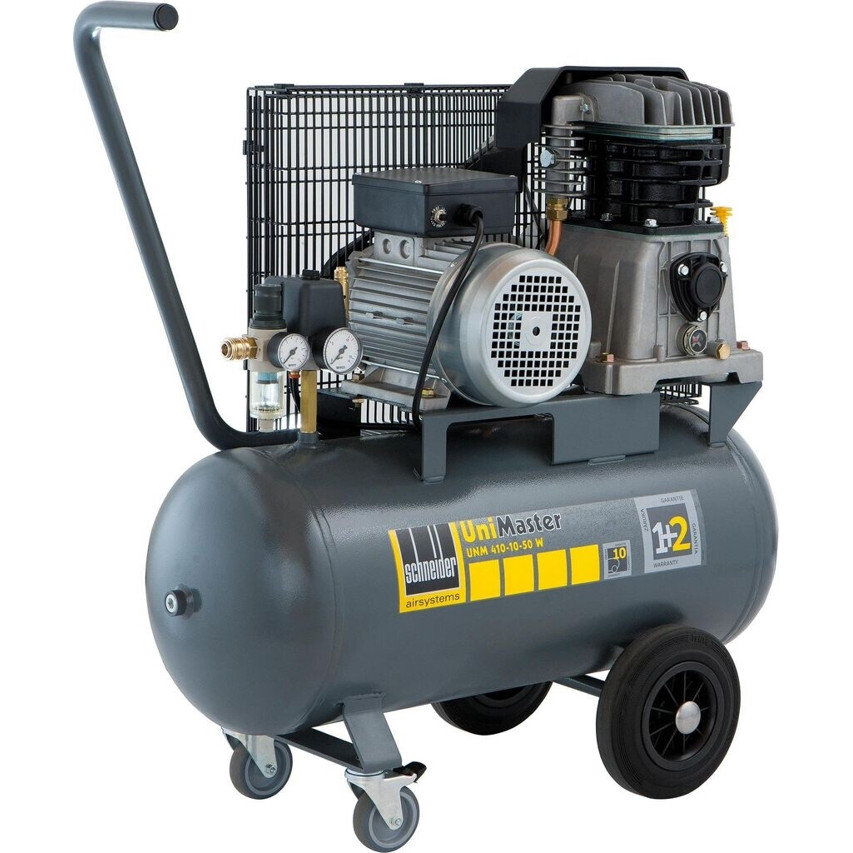
The Ultimate Guide to Buying a Compressor for Pneumatic Tools
When it concerns power tools, pneumatic tools are a popular option for both specialists and DIY enthusiasts alike. They are long lasting, effective, and efficient in delivering impressive performance. However, to harness their complete potential, a trustworthy air compressor is essential. This article works as an extensive guide to help you comprehend pneumatic tools, the ideal compressors for them, and factors to think about before buying.
Understanding Pneumatic Tools
Pneumatic tools are powered by compressed air, which permits them to deliver high levels of force and torque. Common examples include:
- Air wrenches
- Nail weapons
- Air hammers
- Spray guns
- Sand blasters
Advantages of Pneumatic Tools
- Power and Efficiency: Pneumatic tools typically outperform their electric equivalents in regards to power and Hochleistungskompressor Kaufen; www.lianebungert.top, effectiveness.
- Resilience: They usually have a longer life expectancy due to less moving parts that can break.
- Adaptability: Can be used in various applications– from building and construction to automobile repair.
Choosing the Right Compressor for Pneumatic Tools
When buying a compressor for pneumatic tools, several factors need to be considered. Here’s a breakdown of what to look for:
Key Specifications:
| Specification | Description |
|---|---|
| CFM (Cubic Feet per Minute) | Indicates the volume of air produced. Needs differ per tool. |
| PSI (Pounds per Square Inch) | Refers to the pressure level. Many pneumatic tools operate between 70-120 PSI. |
| Tank Size | Figures out for how long tools can run before the compressor needs to recharge. |
| Horse power | Suggests the compressor’s power; higher HP typically implies better performance. |
Factors to Consider When Buying a Compressor:
- Type of Tools Used: Different tools have varying CFM and PSI requirements.
- Frequency of Use: For periodic use, a smaller sized, portable compressor may be adequate, while daily users might need a larger, more robust design.
- Mobile vs. Stationary: Consider whether you need a compressor that is easy to carry or one that will stay fixed in a workshop.
- Noise Level: Compressors can be noisy; if you’re delicate to sound, try to find quiet models.
- Budget: While it’s important to buy quality, guarantee you have a budget in place.
Various Types of Compressors
Air compressors come in numerous designs. The two most common types used for pneumatic tools include:
1. Pancake Compressors
- Benefits: Lightweight, portable, and easy to store. Suitable for light-duty tasks.
- Downsides: Limited air capability and might not successfully power big tools.
2. Vertical Compressors
- Benefits: Great for heavy-duty work as they have a larger tank (usually 20 gallons and above), making them ideal for constant use.
- Drawbacks: Heavier and less portable than pancake designs.
| Compressor Type | Suggested Use | CFM Range | PSI Range | Cost Range |
|---|---|---|---|---|
| Pancake | DIY and light applications | 2-5 | 70-125 | ₤ 100-₤ 300 |
| Vertical | Specialist and heavy usage | 5-16 | 90-150 | ₤ 300-₤ 1,500 |
Popular Compressor Brands
Here are some well-regarded brands in the compressor market:
| Brand | Kind Of Compressors Offered | Secret Features | Average Price Range |
|---|---|---|---|
| DeWalt | Pancake and vertical | Resilient, effective, and noise-reduced options | ₤ 100 – ₤ 1,200 |
| Makita | Portable and belt-driven | Superior cooling functions and longevity | ₤ 150 – ₤ 1,800 |
| Porter-Cable | Pancake and upright | Affordable, reliable options for DIY lovers | ₤ 100 – ₤ 600 |
| California Air Tools | Ultra peaceful designs | Very peaceful operation (as low as 60 dB) | ₤ 200 – ₤ 900 |
Maintenance Tips for Compressors
Preserving your air compressor is important to ensure its longevity and performance. Follow these standards:
- Regularly Check the Oil Level: If you have an oil-lubricated compressor, make certain to check and alter the oil regularly.
- Drain pipes the Tank: Drain condensation from the tank to prevent rust.
- Clean the Air Filter: Keep the air filter clean to guarantee ideal airflow.
- Examine Hoses and Fittings: Regularly examine for leaks or damage, changing them if required.
FAQ Section
What size air compressor do I require for pneumatic tools?
The size depends upon the tools you’re utilizing. For the majority of pneumatic tools, a compressor offering 4-5 CFM at 90 PSI ought to be sufficient.
How can I tell if my compressor is powerful enough?
Inspect the CFM and PSI requirements defined by your pneumatic tool’s manufacturer. Your compressor should satisfy or go beyond these specifications.
Can I utilize a pancake compressor for heavy-duty work?
While pancake compressors are portable and practical, they normally have smaller sized tanks and lower CFM ratings, making them less matched for intense tasks compared to larger horizontal or vertical compressors.
How typically should I drain my compressor tank?
It’s suggested to drain pipes the tank after each use to avoid wetness accumulation, which can lead to rust.
Are oil-free compressors much better?
Oil-free compressors require less maintenance and are lighter, making them ideal for certain applications. However, oil-lubricated compressors tend to last longer and carry out better in heavy-duty jobs.
Purchasing a suitable compressor for pneumatic tools is vital for optimizing efficiency and making sure ideal efficiency. By understanding the specs, kinds of compressors, and maintenance requirements, customers can make educated options that deal with their specific requirements. Whether you’re a professional contractor or a weekend warrior, the right air compressor will inevitably boost your tool’s abilities and make your job significantly easier. Pleased compressing!
