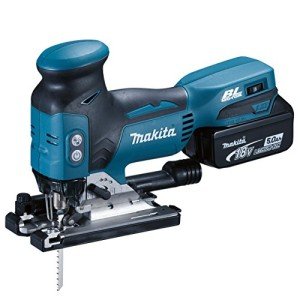
Sliding Mitre Saw
Add a review FollowOverview
-
Founded Date 25 Ekim 1939
-
Sectors Education Training
-
Posted Jobs 0
-
Viewed 6

Company Description
What’s The Job Market For Mitre Chop Saw Professionals?
Understanding the Mitre Chop Saw: Essential Tool for Precision Cutting
A mitre chop saw, often referred to as a miter saw or chop saw, is a flexible Power Mitre Saw tool widely used in woodworking, metalworking, and even in building. This robust and precise cutting tool allows the user to make precise crosscuts and angled cuts. Whether for framing, cabinets, or other projects, mastering the use of a mitre chop saw is vital for any tradesperson or DIY enthusiast.
In this post, we will check out the features, types, benefits, and best practices for utilizing a mitre chop saw. Furthermore, we will answer regularly asked questions to assist demystify this powerful tool.
What is a Mitre Chop Saw?
A mitre chop saw is designed particularly for making angled cuts. It runs on the concept of a rotating blade that cuts through product when reduced onto the workpiece. The key feature that differentiates a mitre saw from other cutting tools is its ability to pivot left or right to create mitered angles, as well as its ability for bevel cuts.
Secret Features of a Mitre Chop Saw
| Function | Description |
|---|---|
| Blade Size | Common sizes consist of 10 inches, 12 inches, and 7-1/4 inches. |
| Miter Angle Range | Normally ± 45 degrees, crucial for creating angled cuts. |
| Bevel Angle | Some models enable bevel cuts up to 45 degrees in one or both directions. |
| Laser Guide | A laser guide can assist enhance accuracy when aligning the cut. |
| Dust Collection | Integrated systems to minimize dust accumulation and enhance work space tidiness. |
| Base | A durable base guarantees stability throughout cutting. |
Kinds Of Mitre Chop Saws
Not all mitre chop saws are created equal. Here, we break down the 3 primary types:
-
Standard Miter Saw: This is the many basic type, intended mainly for crosscuts and miter cuts. It usually features a set arm that comes down vertically.
-
Compound Miter Saw: This type enables both miter and bevel cuts, making it perfect for complex styles and frames. The blade can tilt to produce angled or beveled cuts, offering greater adaptability.
-
Sliding Compound Miter Saws Saw: The most innovative version, this saw features a sliding system that permits the blade to move back and forth. This increases the cutting capacity, enabling bigger pieces of product to be cut with precision.
| Type | Advantages | Best Use Cases |
|---|---|---|
| Requirement Miter Saw | Simplicity and ease of use | Standard cuts like crosscuts and easy frames |
| Compound Miter Saw | Flexibility for diagonal cuts | Crown molding, angled cuts, and furniture-making |
| Sliding Compound Miter Saw | Optimum cutting capacity | Large products, complex joint angles, and framing |
Benefits of Using a Mitre Chop Saw
Precision and Accuracy
Mitre chop saws master providing precise cuts. The capability to set specific angles makes sure that joints meshed seamlessly. This is specifically crucial for intricate pieces like moldings and cabinetry, where imperfections can significantly impact the end product’s appearance.
Effectiveness
Running a chop saw is quicker than manual cutting tools. It greatly lowers the time required for making accurate cuts, particularly when dealing with recurring jobs.
Adaptability
With numerous blade types and accessories available, a Small Mitre Saw chop saw can deal with an extensive variety of products, consisting of wood, metal, and plastics. This versatility makes it a staple in numerous workshops.
Safety Features
Modern mitre chop saws come geared up with safety functions like blade guards, electric brakes, and laser guides, making them much safer to operate than numerous other power tools.
Best Practices for Operating a Mitre Chop Saw
-
Read the Manual: Always refer to the producer’s standards for operation, upkeep, and safety.
-
Inspect Blade Condition: Ensure your blade is clean and sharp. Dull blades can cause incorrect cuts and make the tool more susceptible to kickback.
-
Protect Your Workpiece: Use secures or supports to hold your material consistent throughout cutting. This enhances security and precision.
-
Use Personal Protective Equipment (PPE): Safety goggles, hearing defense, and dust masks must be used to safeguard against debris and noise.
-
Cross Cut Mitre Saw Slowly and Steadily: Allow the saw to cut through the material without requiring it. This promotes accuracy and assists the tool keep control.
Often Asked Questions (FAQ)
1. Can a mitre chop saw cut metal?
Yes, with the proper blade created for cutting metal, a mitre chop saw can successfully cut through numerous types of metal.
2. What is the difference between a miter saw and a chop saw?
While both tools are used for cutting, a chop saw generally describes a fixed saw that makes straight cuts, generally in metal. A miter saw is designed for making angled cuts and is more flexible.
3. How do I maintain my mitre chop saw?
Routinely clean the blade, look for wear and change if essential, make sure all bolts and screws are tightened up, and keep the saw in a dry location when not in use.
4. Can I use a mitre saw to make straight cuts?
While it is possible, using a table saw or circular saw is usually more efficient for long straight cuts.
5. Is it necessary to utilize a laser guide?
While a laser guide enhances precision, it isn’t strictly needed for all users. Experienced users might choose to depend on their instinct and experience without one.
A mitre chop saw is an essential tool that offers precision, speed, and versatility in cutting tasks. By understanding its features and types, together with adhering to best practices and security preventative measures, users can significantly enhance their woodworking and building tasks. Whether one is aiming to develop furniture, frame a house, or undertake in-depth woodworking, the Mitre Saws chop saw holds the key to accomplishing professional-quality outcomes.
Investing time in discovering the ins and outs of this effective tool will unquestionably settle in both the quality of the work and the complete satisfaction of the craftsman.