

Rent Shipping Container
Add a review FollowOverview
-
Founded Date 8 Nisan 1910
-
Sectors Education Training
-
Posted Jobs 0
-
Viewed 29

Company Description
The 9 Things Your Parents Taught You About Shipping Container Transport
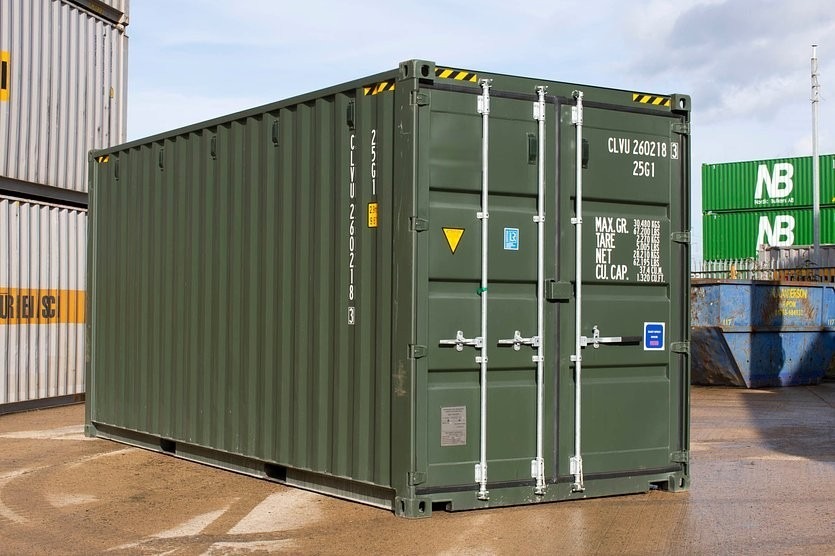
Shipping Container Transport: A Comprehensive Guide
Shipping container transport has revolutionized the way goods are carried worldwide. It supplies an efficient, scalable, and safe and secure method of shipping products around the world. In this post, we will explore different elements of shipping container transport, its advantages, obstacles, and how it runs.
The Evolution of Shipping Container Transport
The concept of container shipping started in the early 1950s, when they were first introduced as a way to facilitate more effective packing and dumping of cargo ships. Before the development of container shipping, items were filled and unloaded individually, making the process time-consuming and labor-intensive. With the intro of standardized containers, the shipping market transformed, enabling much easier transport by rail, ship, and truck.
Key Milestones
| Year | Milestone |
|---|---|
| 1956 | First container ship, the Ideal X, sets sail |
| 1966 | First intermodal freight transport service |
| 1970 | Introduction of the Global Container Shipping System |
| 1980s | Standardized container sizes become widespread |
Understanding Container Types
Shipping containers been available in numerous sizes and shapes, constructed for various kinds of cargo. Here’s a breakdown of typical container types:
Container Types
| Container Type | Dimensions (ft) | Use Case |
|---|---|---|
| Standard Container | 20 x 8 x 8.6 | General cargo |
| High Cube Container | 40 x 8 x 9.6 | Bulkier products |
| Refrigerated Container | 20/40 x 8 x 8.6 | Disposable products |
| Flat Rack Container | 20/40 x 8 x 8.6 | Oversized items, equipment |
| Open Top Container | 20/40 x 8 x 8.6 | Cargo that needs top gain access to |
The Benefits of Shipping Container Transport
Shipping container transport provides various benefits for logistics and supply chain management. Here are several key benefits:
- Efficiency: Containers can be easily filled and unloaded using cranes, decreasing turnaround time at ports.
- Security: Containers can be sealed, using protection versus theft and damage.
- Adaptability: Containers can hold a wide range of items, from electronics to disposable food items.
- Intermodalism: Containers can perfectly transfer in between ships, trains, and trucks, streamlining logistics.
- Cost-Effective: Bulk shipping reduces the per-unit cost of transportation, benefiting large-scale carriers.
Shipping Container Stats
| Statistic | Value |
|---|---|
| Estimated worldwide container fleet | 25 million TEU (Twenty-foot Equivalent Units) |
| Percentage of worldwide trade via containers | 90% |
| Average life expectancy of a container | 10-15 years |
The Challenges in Container Transport
In spite of its advantages, shipping container transport faces several difficulties that can impact performance:
- Port Congestion: Delays due to excessive traffic can lead to higher costs and delays in deliveries.
- Weather condition Disruptions: Storms and bad weather conditions can postpone shipping schedules.
- Regulative Compliance: Each country has distinct import/export policies, including complexity to logistics.
- Environmental Concerns: The shipping industry is under scrutiny for its ecological effect, encouraging a shift towards greener practices.
- Container Shortages: Supply chain disturbances can lead to lacks of offered containers.
How Shipping Container Transport Works
Comprehending the functional procedure of shipping container transport is important for services included in logistics. Here’s a simplified summary of the transport procedure:
Steps in Shipping Container Transport
- Booking: The shipper books area on a shipping line.
- Container Loading: Goods are packed into containers at the warehouse.
- Transport to Port: Containers are transferred to the port through truck or rail.
- Customs Clearance: Containers go through customs evaluations and documentation checks.
- Packing onto Vessels: Containers are packed onto ships bound for their destination.
- Transit: The container is transferred across oceans or seas to the destination port.
- Dumping: Once at the location port, containers are unloaded and transferred to customizeds for clearance.
- Final Delivery: Containers are transported via truck or rail to the final consumer place.
Shipping Container Terminology
Understanding common shipping terms can facilitate much better interaction in global shipping. Here are a few vital terms every shipper ought to understand:
Essential Terms
| Term | Description |
|---|---|
| TEU | Twenty-foot Equivalent Unit; a standard measurement in shipping. |
| FCL | Complete Container Load; shipping where a whole container is used by one carrier. |
| LCL | Less than Container Load; numerous deliveries in one container by various carriers. |
| BOL | Expense of Lading; a legal file in between the shipper and provider. |
| ETA | Estimated Time of Arrival; expected arrival time of the shipment. |
Frequently Asked Question About Shipping Container Transport
-
What items are restricted from shipping in containers?
- Prohibited items generally consist of hazardous materials, fire arms, and perishable items (in non-refrigerated containers).
-
For how long does it usually consider a shipping container to reach its destination?
- Transit times can differ substantially based on range, shipping path, and port operations, varying from days to a number of weeks.
-
Can I track my shipping container?
- The majority of shipping business supply tracking systems that permit carriers to keep track of the status and place of their containers in genuine time.
-
What should I do if my container is damaged?
- Document the damage, notify your shipping company, and review insurance coverage choices based upon the terms set in the Bill of Lading.
-
How do I pick the best shipping container?
- Consider the type and volume of goods, dimensions required, and any unique conditions (e.g., refrigeration) when choosing a container.
Shipping container transport continues to develop with innovation and globalization, providing unparalleled effectiveness for the motion of products worldwide. As markets and economies grow more interconnected, comprehending the logistics of container transport becomes significantly important for businesses wanting to prosper in the global marketplace. Whether you’re a recently established entrepreneur or an established business, mastering this essential element of logistics is crucial to staying competitive.
