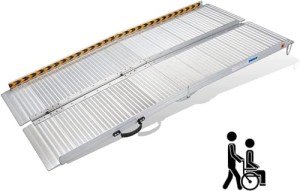
Portable Wheelchair Ramp
Add a review FollowOverview
-
Founded Date 27 Şubat 1918
-
Sectors Health Care
-
Posted Jobs 0
-
Viewed 6

Company Description
The History Of Ramps For Wheelchair In 10 Milestones
Understanding Ramps for Wheelchairs: A Comprehensive Guide
Movable Wheelchair Ramps accessibility is necessary for promoting independence and mobility for individuals with disabilities or mobility challenges. Ramps play a vital role in making sure that people who use wheelchairs can browse their environments safely and without barriers. In this article, we will explore the significance of wheelchair ramps, the various types offered, standards for installation, and regularly asked questions about Wheelchair Access Ramp ramps.
The Importance of Ramps for Wheelchairs
Ramps For Wheelchair are important installations designed to facilitate smooth transitions between different elevation levels. They not only improve mobility for wheelchair users but also enhance accessibility for individuals using other mobility aids, such as walkers or crutches. Here are some essential reasons why ramps are vital:
- Improved Accessibility: Ramps supply wheelchair users the capability to access structures, homes, and public spaces that may otherwise be off-limits due to stairs or irregular ground.
- Security: Ramps reduce the risk of falls and accidents related to navigating stairs, especially for people who may battle with balance and mobility.
- Compliance with Regulations: Many countries have particular guidelines and policies aimed at guaranteeing ease of access for people with impairments. Ramps assist meet these legal requirements.
- Independence: By offering a safe methods of access, ramps improve the independence of wheelchair users, permitting them to browse their environments without assistance.
Types of Wheelchair Ramps
Ramps can be found in various designs and materials to match a vast array of environments and needs. Below is an introduction of the most common types of wheelchair ramps:
| Ramp Type | Description | Perfect Use |
|---|---|---|
| Irreversible Ramps | Built from sturdy materials like concrete or wood and are suggested for long-term usage. | Residential homes, public buildings |
| Portable Ramps | Lightweight and created for simple transport and setup. Generally made from aluminum or fiberglass. | Temporary access at occasions, homes, or take a trip |
| Folding Ramps | Portable Ramps For Steps ramps that can be folded for easy storage and transport; they can be found in adjustable lengths. | On-the-go availability |
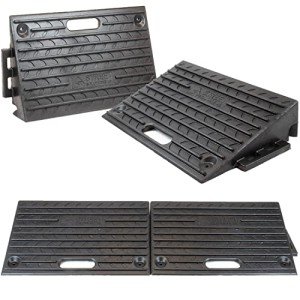
| Threshold Ramps | Brief ramps created to bridge the space between a door and a floor; useful for small steps. | Entry limits in homes or companies |
| Vehicle Ramps | Particularly developed for loading wheelchairs into automobiles; they can be foldable or expandable. | Vans, SUVs, and automobiles |
| Modular Ramps | Made from interlocking parts that can be personalized for different heights and lengths; perfect for temporary or permanent access services. | Neighborhood centers, schools |
Aspects to Consider When Choosing a Ramp
When choosing a ramp, it’s vital to examine several elements to make sure security and use:
- Height: The height the ramp needs to cover.
- Length and Angle: Ramps should have a gentle slope for optimum ease of use. The Americans with Disabilities Act (ADA) suggests a 1:12 slope ratio (1 inch of height for every single 12 inches of length).
- Materials: The material affects weight capacity, toughness, and maintenance.
- Weight Capacity: Always inspect the weight limit of the Handicap Ramp to ensure it can securely accommodate the user.
- Location: Indoor vs. outdoor use may affect the type of ramp picked.
Installation Guidelines
Establishing a wheelchair ramp requires careful planning and adherence to standards set out by the ADA and local policies. Here are some crucial steps to remember:
- Site Assessment: Evaluate the setup site for space, slope, and surface conditions. Ensure that the area is free from challenges.
- Style Compliance: Follow regional and state building codes and ADA specifications for ramp dimensions, including width, slope, and landings.
- Landings: Ensure that landings at both the top and bottom of the ramp are flat and sufficiently large to permit safe turning or navigating.
- Maintenance: Regularly examine the ramp for any signs of wear or damage. Guarantee that surface materials use appropriate traction in different weather.
Frequently Asked Questions About Wheelchair Ramps
Q1: Are wheelchair ramps needed by law?
Yes, lots of jurisdictions have laws needing particular structures and public areas to be available to individuals with disabilities, consisting of the installation of wheelchair ramps.
Q2: How high can a wheelchair ramp be?
According to the ADA standards, the maximum slope allowed is 1:12 for wheelchairs, which equates to a one-inch rise for each 12 inches of ramp length.
Q3: Can a wheelchair ramp be set up on stairs?
Yes, wheelchair ramps can be designed to accommodate stairs, but it may be essential to consider the security of both the user and the structure.
Q4: What products are best for outside wheelchair ramps?
For outside ramps, products like aluminum and dealt with wood are commonly chosen due to their sturdiness and capability to stand up to weather elements.
Q5: How much does a wheelchair ramp cost?
Expenses can vary considerably based on the ramp type, products utilized, and customized functions. Portable ramps may begin at around ₤ 100, while irreversible ramps can cost numerous thousand dollars depending upon design and setup.
Ramps are a vital property for promoting availability for people utilizing wheelchairs and other mobility aids. Comprehending your choices, acknowledging the importance of proper setup, and sticking to security guidelines are all necessary steps to boost mobility and self-reliance. Whether a portable solution is needed for occasional usage or a permanent ramp is needed for frequent access, selecting the best ramp can make all the distinction. With thoughtful planning and execution, ramps can change the way people browse their environments, making the world a more inclusive location for everyone.