

Disabled Ramps
Add a review FollowOverview
-
Founded Date 29 Nisan 1935
-
Sectors Telecommunications
-
Posted Jobs 0
-
Viewed 30

Company Description
5 Killer Quora Answers On Wheelchair Ramps
Portable Wheelchair Ramps for Steps: A Comprehensive Guide
Browsing the world can be an obstacle for individuals with mobility problems, particularly when encountering stairs. Standard stairs can present significant barriers, but portable wheelchair ramps are a flexible and useful option that can help individuals regain their self-reliance and flexibility. This post provides an in-depth take a look at portable wheelchair ramps, including their types, benefits, considerations when selecting one, and responses to frequently asked concerns.
Comprehending Portable Wheelchair Ramps
Portable wheelchair ramps are designed to offer a smooth shift from one level to another, such as from ground to a patio or in between floorings in a structure. They can be quickly transferred and set up, making them perfect for temporary use, travel, or in situations where a permanent ramp installation is not possible.
Types of Portable Wheelchair Ramps
Before picking a portable wheelchair ramp, it’s necessary to comprehend the different types offered on the market. The choice of ramp often depends upon specific requirements, the environment, and the person’s mobility device. Below is a table outlining the most common kinds of portable wheelchair ramps.
| Ramp Type | Description | Ideal Use Cases |
|---|---|---|
| Folding Ramps | Lightweight and foldable for simple transport. | Home usage, travel, events |
| Telescoping Ramps | Adjustable length permitting personalization of the slope. | Varied heights, such as steps, curbs |
| Strong Ramps | Made from long lasting materials and supplies a stable entry. | Long-term or semi-permanent installations |
| Travel suitcase Ramps | Fold in half and resemble a travel suitcase when closed. | Travel, outdoor occasions |
| Limit Ramps | Little ramps designed to bridge the gap in between different surfaces. | Doorways, transitions from surfaces |
Advantages of Portable Wheelchair Ramps
The availability of portable wheelchair ramps has transformed how people with minimal mobility navigate environments. Below is a list of the different benefits related to using these ramps:
-
Accessibility: Ramps provide access to places with steps where wheelchair users would otherwise be unable to go.
-
Independence: With a portable ramp, users can get in and leave structures and vehicles without external assistance.
-
Flexibility: Ideal for various settings, consisting of home environments, outside spaces, and public places.
-
Relieve of Use: Many ramps are lightweight and easy to set up, making them easy to use for people and caregivers alike.
-
Cost-effectiveness: Portable ramps often come at a portion of the cost of irreversible installations and can be reused in different locations.
-
Security: Ramps decrease the danger of falls and accidents connected with navigating up and down steps.
Considerations When Selecting a Portable Wheelchair Ramp
Selecting the best portable wheelchair ramp needs cautious factor to consider of numerous aspects. Here are some key points to keep in mind:
-
Weight Capacity: Ensure that the ramp can support the weight of the wheelchair and its occupant. Many ramps specify an optimum weight limitation.
-
Length and incline: A longer ramp offers a gentler slope, which is simpler to browse. Preferably, the ramp length ought to be 1:12 for ADA compliance, indicating one inch of increase per foot of ramp.
-
Product: Ramps can be made from aluminum, fiberglass, or wood. Aluminum ramps are the most commonly used due to their lightweight and sturdiness.
-
Mobility: Look for ramps that can be quickly folded or collapsed for transportation.
-
Surface area Texture: Ensures traction and prevents slipping, particularly in damp conditions. Grasped or textured surfaces are more suitable.
-
Alleviate of Setup: Consider ramps that do not require tools or intricate assembly procedures.
Often Asked Questions (FAQ)
1. How do I determine the right ramp length?
As a general rule, a ramp must have a slope ratio of 1:12. This suggests for every inch of height, you will need a minimum of 12 inches (or 1 foot) of ramp length.
2. Are portable wheelchair ramps ADA-compliant?
It depends upon the specific ramp design and measurements. Always check if the ramp meets the Americans with Disabilities Act (ADA) specifications, especially for public usage.
3. Can I utilize a portable ramp outdoors?
Yes, lots of portable ramps are designed for outside usage and are made from weather-resistant materials. Constantly inspect the requirements to confirm.
4. How do I preserve a portable wheelchair ramp?
Keep the ramp clean and look for damage frequently. Evaluate the surface area for wear and make sure that it stays stable throughout use.
5. Can wheelchair ramps be utilized for other mobility devices?
Yes, portable ramps can accommodate different mobility gadgets, including scooters, walkers, and power chairs.
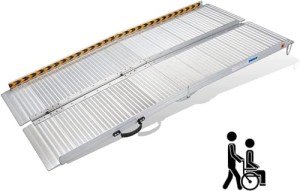
6. Where can I buy portable wheelchair ramps?
Portable wheelchair ramps can be purchased from medical supply stores, online sellers, and specialty mobility equipment suppliers.
Portable Wheelchair Ramps For Steps wheelchair ramps bridge the gap between mobility challenges and ease of access, making it possible for individuals with disabilities to lead independent and satisfying lives. With a wide range of alternatives and a host of advantages, finding the best ramp needs thoughtful factor to consider of the user’s special needs. By comprehending the benefits, functions, and factors to consider, people and caregivers can make educated choices to enhance mobility and availability. Whether for use at home, on the road, or in public spaces, portable wheelchair ramps are indispensable tools that open up the world to those who require them.
