

Bosch Saw Cordless
Add a review FollowOverview
-
Founded Date 1 Ekim 1999
-
Sectors Restaurant Services
-
Posted Jobs 0
-
Viewed 4

Company Description
Professional Circular Saw Tools To Ease Your Daily Lifethe One Professional Circular Saw Trick That Everybody Should Be Able To
The Professional Circular Saw: A Comprehensive Guide
Circular saws are a vital tool in any professional carpenter’s toolkit, offering accuracy and flexibility in different woodworking jobs. This article dives deep into the world of professional circular saws, exploring their functions, benefits, and different types offered in the market. This guide aims to supply valuable insights for both experienced carpenters and amateurs aiming to purchase this indispensable tool.
What is a Circular Saw?
A circular saw is a power-saw that utilizes a toothed or abrasive disc or blade to cut through different products. They are primarily used for cutting wood however can also slice through metal, plastic, and other materials depending upon the blade type. The blade turns at high speed, enabling quick and effective cuts.
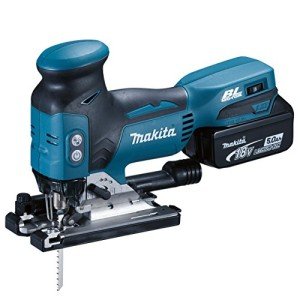
Types of Circular Saws
| Kind Of Circular Saw | Description | Best Uses |
|---|---|---|
| Sidewinder | The most common type with an inline motor. Lightweight and portable. | General cutting of wood and sheet items. |
| Dual-Sided | Functions a blade that can be gotten used to cut from either side. | Versatile for various cutting angles. |
| Worm Drive | Has a motor placed behind the blade, offering more torque. | Sturdy cutting jobs and bigger projects. |
| Compact | Smaller and lighter, designed for one-handed usage. | Trim work and tight areas. |
| Cordless | Battery-operated saws supplying convenience and portability. | Outdoor projects where power outlets are limited. |
Key Features to Look For
When buying a professional circular saw, several functions can substantially boost user experience and efficiency. Below is a list of essential functions to consider:
-
Blade Size:
- Common blade sizes range from 5-1/2 to 7-1/4 inches. Select a size ideal for the product you mostly work with.
-
Power Source:
- Corded: Provides consistent power without recharge disruptions.
- Cordless Electric Saws: Offers portability however requires Battery Powered Circular Saw maintenance.
-
Motor Power:
- Measured in amps for corded saws and volts for cordless ones. A greater power rating means better cutting capability through harder materials.
-
Bevel Capacity:
- The ability to tilt the base plate enables angled cuts. Look for models with a minimum of 45-degree bevel capacity.
-
Weight:
- Lightweight designs are much easier to deal with but might compromise power. Consider your requirements and comfort level.
-
Security Features:
- Look for brake systems, blade guards, and electric lock-offs for added security.
-
Dust Blower/Vacuum Adaptability:
- Helps keep the line of sight clear and the work area tidy by blowing away sawdust or linking to a vacuum.
Advantages of Using a Professional Circular Saw
-
Performance and Speed: Circular saws provide fast cutting speeds compared to manual saws, boosting performance on the task.
-
Flexibility: These saws can deal with multiple materials and kinds of cuts, making them appropriate for a vast array of tasks.
-
Accuracy: With appropriate settings and blades, circular saws offer tidy, exact, and straight cuts.
-
Portability: Many designs are light-weight and developed for easy transportation, allowing users to operate in different areas.
-
Durability: Professional-grade saws are developed to hold up against the rigors of frequent usage, providing lasting performance.
Frequently asked questions
1. What is the best blade type for a circular saw?
The very Best Cordless Circular Saw blade type depends on the material being cut. For wood, use a carbide-tipped tooth blade; for metal, utilize a metal-cutting blade, and for general functions, a combination blade works well.
2. Can you cut metal with a circular saw?
Yes, with the suitable blade, circular saws can cut different metals, consisting of aluminum and thin sheet steel.
3. How do I keep my circular saw?
Routinely tidy the blade, examine the motor and electric cables for damage, and make sure that all parts are firmly protected.
4. What is the ideal RPM for a circular saw?
A lot of circular saws typically operate in the range of 5,000 to 6,000 RPM, which is ideal for a range of materials.
5. Are cordless circular saws as powerful as corded ones?
Cordless designs have actually advanced significantly and can be just as effective, but corded saws might provide constant power for extended durable use.
Purchasing a professional circular saw is a choice that can significantly affect the quality and performance of woodworking projects. Comprehending the different types of circular saws, their crucial features, and the advantages they use can assist in selecting the ideal tool for the task. Whether you’re a professional specialist or a DIY enthusiast, a circular saw can elevate your craftsmanship. By keeping the FAQ area in mind, users can make informed decisions and preserve their tools for optimum efficiency.
In conclusion, the professional circular saw stays a vital tool that blends technology with effectiveness, making it a valuable asset in the world of woodworking. With the right choice, users can attain precision and performance in their jobs for years to come.
