

30′ Shipping Container

Overview

  • Founded Date 3 Temmuz 2007
  • Sectors Construction / Facilities
  • Posted Jobs 0
  • Viewed 58
Bottom Promo

Company Description

The 10 Most Terrifying Things About 30 Ft Container Dimensions

Understanding 30 Ft Container Dimensions

When it pertains to shipping and logistics, container dimensions play an essential function in optimizing transportation and storage solutions. Amongst different container sizes offered for commercial and individual usage, the 30-foot container sticks out due to its adaptability. This article aims to supply a detailed overview of 30 ft container dimensions, requirements, and applications.
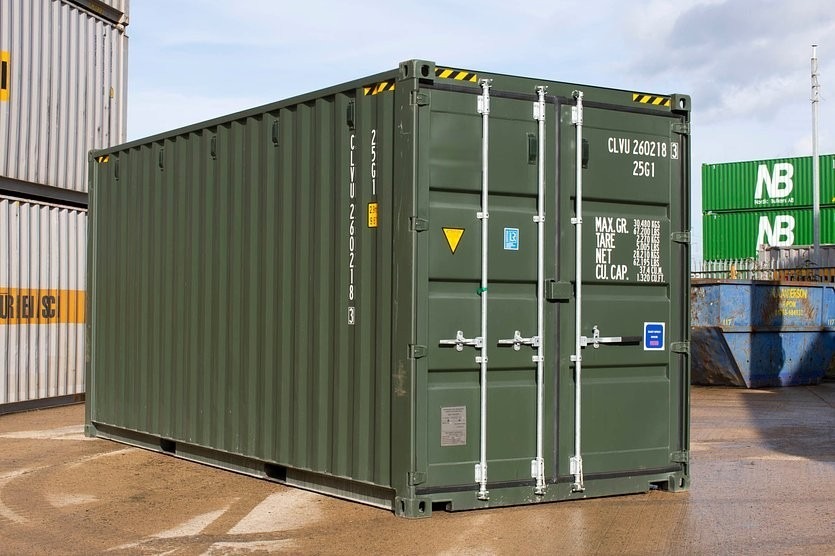
Summary of Shipping Containers

Shipping containers are utilized worldwide for the transport of items. They are available in different sizes and types, with the most common dimensions being 20 feet and 40 feet. However, the 30 ft container provides an intermediate option, offering benefits for specific shipping and storage needs.

Dimensions of a 30 Ft Container

Here are the specs of a standard 30 ft container:

Dimension Metric (m) Imperial (ft)
External Length 9.14 m 30 ft
External Width 2.44 m 8 ft
External Height 2.59 m 8.5 ft
Internal Length 9.00 m 29.5 ft
Internal Width 2.35 m 7.7 ft
Internal Height 2.39 m 7.9 ft
Optimum Payload 26,000 kg 57,320 pounds
Volume 66.2 m THREE 2,335 ft three External vs. Internal Dimensions

External dimensions describe the total size of the container, including the building and construction structure, while internal dimensions describe the usable space within the container. Comprehending these distinctions is necessary for planning how much cargo can be filled. Benefits of Using a 30 Ft Container Utilizing a 30 ft container can

offer several advantages, depending upon the

particular service requirements: Optimal Storage Solution: The 30 ft container strikes a balance in between size and capacity

  1. , making it ideal for moderate to high-volume storage needs. Cost-Efficiency: While bigger 40 ft containers offer more space, they can also be more expensive to lease or purchase

  2. . A 30 ft containercan be a more economical choice without sacrificing excessive capability. Adaptability: 30 ft containers can be utilized for different applications, from transporting goods to short-lived storage on building and construction sites.

  3. Easy Transportability: The fairly smaller size makes a 30 ft container easier to transfer and maneuver in tight areas than bigger containers.

  4. Improved Security: Like all shipping containers, 30 ft containers are designed to be safe and secure, providing protection versus theft and weather-related damage. Applications of 30 Ft Containers The versatility of the 30 ft container makes it ideal for different applications, consisting of: Residential Moves: Ideal for transferring products when downsizing or crossing town. Short-term Storage: Perfect for building websites needing safe and secure and dry storage for tools and materials. Business Storage: Businesses can utilize

    • these containers for inventory storage, specifically in seasonal needs. Portable Offices: The container can be
    • transformed into a portable workplace, supplying a practical area on task sites. Retail Use: Ideal for pop-up stores or short-lived screensat unique occasions or celebrations. Often Asked Questions(FAQs)Q1: What is the weight limit of a 30 ft container? A: A normal 30 ft container
    • has an optimum payload of around 26,000 kg, or 57,320 lbs. Q2: How much does a 30 ft container weigh? A: The tare weight of a standard 30 ft
    • container is normally around 2,300 kg, or about 5,000 lbs, which can vary slightly based upon the container’s

    product and building and construction. Q3: Are 30

    ft containers available for lease? A: Yes, both rental and purchasealternatives are available for 30 ft containers through shipping and logistics companies. Q4: Can a 30 ft container be delivered internationally? A: Yes, they can be used for international shipping, subject to the guidelines of the countries associated with the transport. Q5: What is the difference in between a basic container and a high-cube container? A: A high-cube container is 1 ft taller than a basic container

    , providing it more internal space. For example, a high-cube 30 ft container will typically have an external height of 9.5 ft.

    The 30 ft container provides a distinct mix of size,performance, and cost-effectiveness, making it a favored choice for numerous shipping and storage requirements. Organizations and people alike can take advantage of its flexibility, whether requiring temporary storage, moving a workplace, or shipping products throughout borders. Comprehending the dimensions, applications, and advantages of 30 ft containers can assist optimize logistics and make informed choices to satisfy your shipping and storage requirements. If you’re considering utilizing a 30 ft container for your needs, it’s best to speak with specialists to ensure it fits your specific requirements, budget plan, and space constraints.

    Bottom Promo
    Bottom Promo
    Top Promo