

Aluminium Wheelchair Ramp
Add a review FollowOverview
-
Founded Date 26 Ağustos 2019
-
Sectors Telecommunications
-
Posted Jobs 0
-
Viewed 6

Company Description
Guide To Disability Ramps: The Intermediate Guide The Steps To Disability Ramps
Understanding Disability Ramps: A Comprehensive Guide
In a world that aims to be inclusive and available to all people, disability ramps play a vital function in bridging the space in between various capabilities. These important structures enable individuals with mobility problems to access structures and public spaces securely and conveniently. In this post, we will explore the various elements of disability ramps, including their types, advantages, guidelines, and installation factors to consider.
What Are Disability Ramps?
Disability ramps, likewise understood as Folding Wheelchair Ramps ramps, are likely surface areas developed to help people with mobility difficulties in accessing raised surfaces, such as structures, walkways, and cars. They are essential components of universal design– an idea that promotes ease of access for individuals of all capabilities.
Types of Disability Ramps
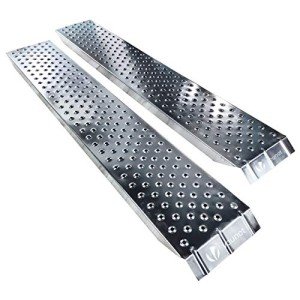
There are several types of disability ramps, each serving particular requirements and environments. Below is a table detailing the most typical types:
| Type of Ramp | Description | Ideal Use Cases |
|---|---|---|
| Portable Ramps | Lightweight, Foldable Wheelchair Ramps ramps designed for temporary usage. | Home use, temporary occasions, taking a trip. |
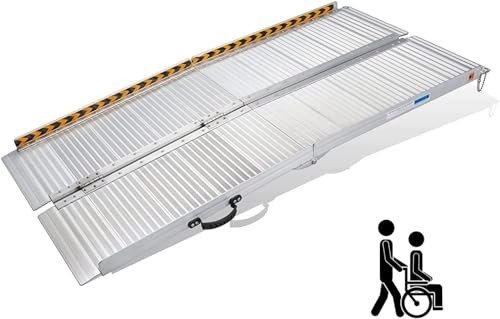
| Foldable Ramps | Comparable to portable Ramps For Mobility Scooters but more robust; can be utilized in vehicles. | Vehicles, homes, temporary structures. |
| Long-term Ramps | Built-in ramps made from concrete or wood, developed for long-lasting usage. | Long-term buildings, public spaces. |
| Threshold Ramps | Brief ramps developed to fill the gap triggered by door thresholds. | Home entrances, doorways, and entrances. |
| Modular Ramps | Pre-fabricated ramps made of aluminum that can be assembled on-site. | Industrial buildings, public places. |
Advantages of Disability Ramps
The addition of disability ramps is not simply a regulative requirement but also an ethical duty. The benefits of setting up disability ramps extend far beyond simple compliance. Here’s a list of the advantages:
-
Increased Accessibility: Ramps create a pathway for individuals who use wheelchairs, scooters, or other mobility gadgets, enabling them to access buildings and public spaces without limitation.
-
Enhanced Independence: With the arrangement of ramps, people with mobility challenges can browse their surroundings more easily, promoting self-reliance and self-sufficiency.
-
Legal Compliance: Various regulations and laws, consisting of the Americans with Disabilities Act (ADA), make it obligatory for public and private entities to supply available centers.
-
Improved Safety: Ramps lower the threat of mishaps associated with stair access, using a more secure alternative for people with mobility impairments.
-
Inclusivity and Community Building: Installing ramps demonstrates a commitment to inclusivity, promoting a sense of neighborhood and acceptance amongst individuals of all abilities.
Regulations and Standards
When installing disability ramps, adhering to specific policies and standards is important. In the United States, the Americans with Disabilities Act (ADA) provides guidelines governing ramp building and construction. Below are some of the key technical specifications:
| Specification | Requirement |
|---|---|
| Slope ratio | Minimum 1:12 (rise to run) |
| Width | Minimum of 36 inches |
| Surface | Non-slip, firm surface |
| Height | Optimum increase of 30 inches without landings |
| Handrails | Required for ramps over 6 inches rise |
These specifications guarantee that ramps are safe and functional for their desired users. Local structure codes need to likewise be consulted, as they might have extra requirements.
Setup Considerations
Installing a disability ramp includes careful preparation and execution. Here are numerous elements to take into account throughout the procedure:
-
Site Evaluation: Assess the location where the ramp will be installed. Consider the existing terrain and any obstacles that may affect availability.
-
Permits and Compliance: Determine if local regulations need authorizations for ramp setup. Be sure to adhere to developing codes and ADA guidelines.
-
Product Selection: Select suitable materials that are resilient and efficient in holding up against weather conditions. Common products include wood, aluminum, concrete, and fiberglass.
-
Style Features: Ensure the ramp includes design functions such as handrails, landings for rest, and surface area textures to avoid slips and falls.
-
Upkeep: Schedule routine inspections and upkeep to make sure ramps remain safe and functional in time. Address issues such as wear and tear, surface area damage, or obstructions.
FAQ About Disability Ramps
1. How steep can a Disability Ramp [Oystercomic0.Bravejournal.Net] be?The ADA
suggests an optimum slope of 1:12 for wheelchairs, suggesting for each inch of height, there ought to be at least 12 inches of horizontal run.
2. Are ramps required in private homes?While not lawfully required for personal homes, installing ramps can substantially boost availability for family members or guests with disabilities. 3. Can ramps be made to fit any space?Yes, ramps can be custom-built or modular to fit a variety of areas, considering height, width, and website conditions. 4. What are threshold ramps?Threshold ramps serve as a bridge over small height differences, such as door thresholds
, to produce a barrier-free transition. 5. Exist grants offered for setting up disability ramps?Various companies and government firms may offer financing or grants to assist with accessibility adjustments, including ramp installation. Disability ramps are essential properties in promoting availability and inclusivity in our neighborhoods. By comprehending the types, benefits, and policies associated with these ramps, homeowner and
center managers can make informed choices to create environments that deal with everyone, no matter their mobility. Eventually, the presence of disability ramps serves as a testimony to a society that values the dignity and self-reliance of all its members, leading the way for a more inclusive future.
