

Stove Extractor Fan
Add a review FollowOverview
-
Founded Date 19 Nisan 2012
-
Sectors Sales & Marketing
-
Posted Jobs 0
-
Viewed 9

Company Description
5 Killer Quora Questions On Cooker Hood
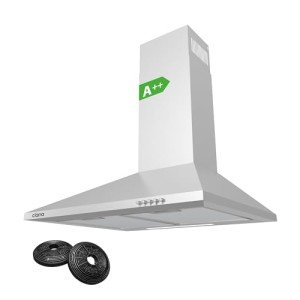
Understanding Kitchen Cooker Hoods: A Comprehensive Guide
In the heart of every home, the kitchen stands as a vital hub where meals are prepared, flavors are explored, and memories are developed. However, cooking can also come with its downsides, such as smoke, steam, grease, and smells that stick around long after the meal is made. Get in the kitchen cooker hood, a home appliance that plays an invaluable function in maintaining a tidy and enjoyable kitchen environment. This article will explore the numerous types of cooker hoods, their benefits, essential functions to think about, and common concerns surrounding their use.
What is a Kitchen Cooker Hood?
A kitchen cooker hood, also called an exhaust hood or range hood, is a gadget set up above the cooking surface. Its primary purpose is to filter and vent toxins, such as smoke and smells, away from the kitchen. Cooker hoods can make use of different techniques to accomplish this task, consisting of ducted and ductless systems.
Types of Cooker Hoods
To better comprehend the alternatives readily available, here’s a relative summary of the different types of cooker hoods:
| Type | Description | Pros | Cons |
|---|---|---|---|
| Wall-Mounted | Connected to the wall above the cooking location | Space-saving, stylish styles | Restricted reach for bigger cooking locations |
| Under-Cabinet | Set up under kitchen cabinets | Maintains cabinet aesthetic appeal | Might be less effective than bigger designs |
| Island | Suspended above a kitchen island | Perfect for open-concept spaces | Needs ceiling setup |
| Downdraft | Withdraws into the counter top when not in usage | Smooth style, conserves overhead area | Typically less effective |
| Expert | High-performance systems for severe cooks | Superior ventilation and capacity | More expensive, requires more maintenance |
Benefits of Using a Cooker Hood
Installing a cooker hood in your kitchen offers many benefits:
-
Improved Air Quality: Cooker hoods efficiently remove airborne grease, smoke, and smells, making sure that the air remains fresh while cooking.
-
Prevention of Mold and Mildew: By lowering humidity levels created during cooking, hoods assist prevent the development of mold and mildew.
-
Enhanced Kitchen Aesthetics: With different styles available, cooker hoods can include a touch of modernity and elegance to any kitchen design.
-
Decreased Buildup of Grease: Regular operation of a cooker hood avoids grease from building up on kitchen surfaces, making clean-up easier.
-
Increased Kitchen Safety: By getting rid of smoke and possibly damaging fumes, cooker hoods enhance total safety while cooking.
Key Features to Consider
When selecting a cooker hood for your kitchen, consider the following functions:
-
Suction Power (CFM): The power of a hood is measured in cubic feet per minute (CFM). A higher CFM rating suggests a capability to get rid of smoke and smells rapidly. For most kitchens, a series of 300-600 CFM appropriates.
-
Sound Level (Sonnes): Some hoods run louder than others. An unit with lower sones will supply quieter functionality. Look for hoods that run below 60 sones for a quieter cooking experience.
-
Filtering Type:
- Ducted: Vents polluted air exterior, requiring ductwork installation.
- Ductless: Cleans the air with filters and recirculates it back into the kitchen, ideal for apartment or condos.
-
Design and Size: Consider the area available and the style of the kitchen. The hood must align aesthetically with other kitchen devices and healthy easily above the cooktop.
-
Reduce of Cleaning: Filters need to be cleaned up or replaced frequently; easy-access designs make this task less challenging.
-
Lighting: Many cooker hoods are geared up with integrated lights to brighten the cooking surface. Great lighting enhances presence while preparing meals.
Frequently Asked Questions (FAQ)
1. How do I determine the right size of a cooker hood for my kitchen?
To identify the best size, the hood ought to preferably be as wide as or wider than the cooking surface. In addition, think about the height and area available, ensuring it is installed high enough above the stove for safety and proper efficiency.
2. How often should I clean up or change the filters?
It is advised to tidy metal filters every month and change them every couple of months, depending on use. Charcoal filters in ductless models might need replacement every 3-6 months.
3. Can I utilize my cooker hood without ductwork?
Yes, ductless cooker hoods work without comprehensive ductwork. They filter the air before sending it back into the Kitchen Cooker hoods. However, ducted choices are generally more efficient for ventilating the kitchen.
4. Are all cooker hoods loud?
Not all cooker hoods are noisy. The sound levels vary by design, with some being more effective and quieter than others. Always inspect the sones score to find a quieter option.
5. Is it needed to have a cooker hood?
While not necessary, a cooker hood is extremely suggested for reducing indoor air pollutants, boosting ventilation, and keeping a cleaner kitchen environment.
Cooking is an art type that deserves the right environment. A kitchen cooker hood is not simply an appliance; it is an essential tool for promoting security, tidiness, and convenience while cooking. By absorbing undesirable odors, wetness, and airborne particles, a cooker hood develops a wonderful environment where culinary experiences can prosper. When picking the right cooker hood, consider your kitchen’s design, your cooking routines, and the range of functions available to find the perfect match. By purchasing a quality cooker hood, house owners can raise their cooking experience while guaranteeing a cleaner and much safer kitchen.
