

French Door Repair Services
Add a review FollowOverview
-
Founded Date 26 Eylül 1904
-
Sectors Telecommunications
-
Posted Jobs 0
-
Viewed 12

Company Description
The 10 Scariest Things About French Door Fixing
French Door Fixing: A Comprehensive Guide
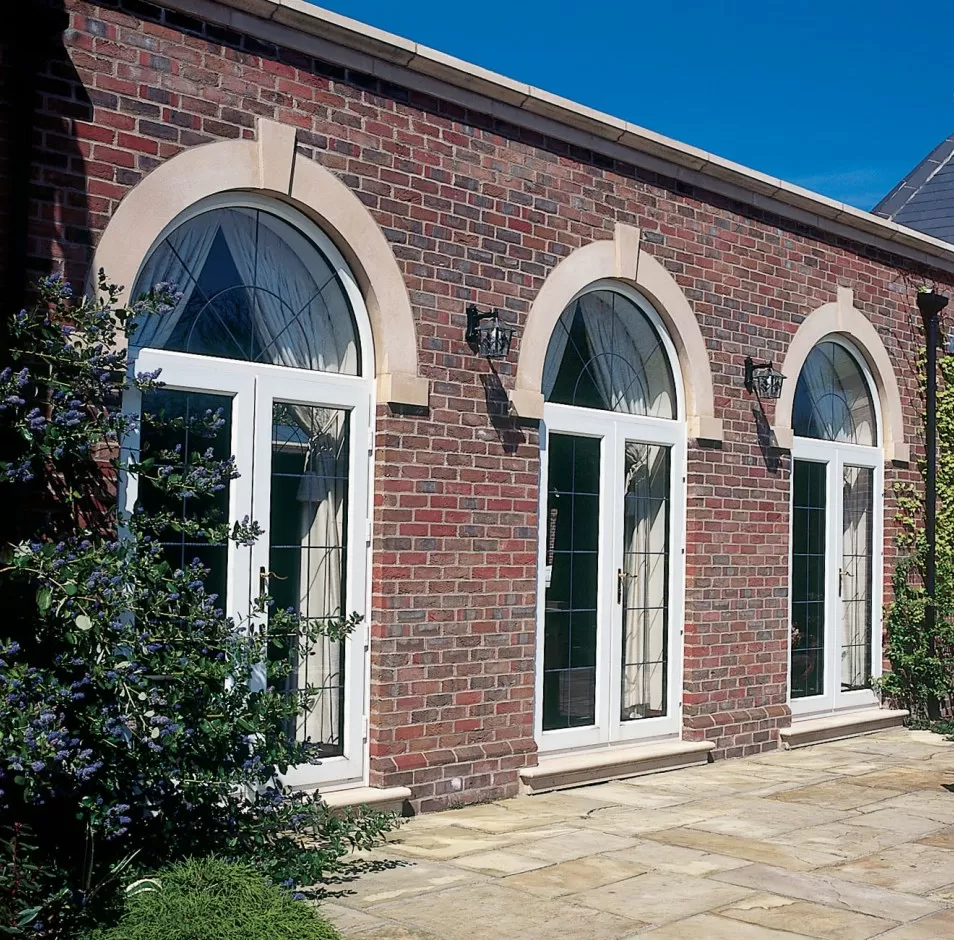
French Door Technicians doors are not simply a lovely architectural function; they function as functional entryways that can bridge indoor and outside areas. Nevertheless, like any other feature in a home, they can experience wear and tear gradually. This blog post looks into common issues associated with French Door Panel doors, detailed fixing methods, preventive measures, and responses to often asked questions.
Common Problems with French Doors
Before diving into solutions, it’s important to identify the issues that may arise with French doors. Here are some common problems:
| Problem | Description |
|---|---|
| Misalignment | Doors do not align appropriately and might not close. |
| Problem in opening/closing | The doors get stuck or are tough to operate. |
| Drafts and air leak | Spaces around result in energy loss. |
| Split or harmed glass panels | Visual and security concerns with broken glass. |
| Used hinges | Hinges might rust or break, compromising function. |
| Decaying frames | Wood frames might weaken due to moisture. |
How to Fix Common French Door Issues
1. Misalignment
Misaligned French Door Glass doors are typically apparent when one door appears higher or lower than the other. Here are actions to fix this issue:
- Tools Required: Screwdriver, level, shims.
- Directions:
- Use a level to inspect the positioning.
- Locate the depend upon both doors. If the top door is higher, tighten the screws on the leading hinge.
- If tightening does not assist, eliminate the hinge screws and add shims behind the hinge to raise or reduce the door as required.
- Reattach the hinges and reconsider for positioning.
2. Difficulty in Opening/Closing
If the doors stick or are challenging to operate, the problem could stem from filthy tracks or warped frames.
- Tools Required: Vacuum, cleaning cloth, lubricant (like WD-40).
- Instructions:
- Start by cleaning the tracks completely with a vacuum to remove any debris.
- Clean the tracks with a damp fabric and dry completely.
- Apply a lubricant to the tracks and the hinges to make sure smooth movement.
- If the frame is distorted, changes or replacements may be essential.
3. Drafts and Air Leakage
Breezy doors can result in increased energy expenses. Resolving this requires checking the weather stripping and ensuring an appropriate seal.
- Tools Required: Caulk, weather condition removing, scissors.
- Guidelines:
- Inspect the existing weather stripping for wear and tear.
- If damaged, remove the old removing and tidy the area.
- Cut and install new weather stripping along the door edges.
- For additional sealing, use caulk around the frame.
4. Cracked or Damaged Glass Panels
Broken glass not only looks unsightly however can also present safety risks.
- Tools Required: Safety safety glasses, glass replacement package, adhesive.
- Directions:
- Carefully remove broken glass using protective eyeglasses.
- Measure the size of the pane to be changed.
- Follow the maker’s instructions for fitting a brand-new glass panel.
- Secure with adhesive and enable it to treat.
5. Worn Hinges
Damaged hinges can trigger your doors to sag or end up being hard to operate.
- Tools Required: Drill, brand-new hinges, screws.
- Guidelines:
- Remove the door from the hinges by unfastening the screws.
- Replace old hinges with brand-new among the very same size.
- Reattach the doors and make essential adjustments to guarantee correct positioning.
6. Decaying Frames
Frames that have actually been compromised by moisture need immediate attention to prevent more damage.
- Tools Required: Wood filler or epoxy, paint, sandpaper.
- Instructions:
- Inspect the frame for damage and get rid of any rotting wood.
- Fill out the spaces with wood filler or epoxy and enable to cure.
- When hardened, sand the area to smooth it out and paint over.
Preventive Measures
To prevent these issues in the future, consider implementing the following preventive techniques:
- Regularly tidy and keep the door tracks and hinges.
- Check weather removing every year and replace as necessary.
- Examine for any indications of rot, especially during seasonal changes.
- Oil moving parts a minimum of twice a year.
- Keep a consistent indoor humidity level to lessen door warping.
Often Asked Questions (FAQ)
Q1: How frequently should I preserve my French doors?
A1: Regular maintenance checks when or two times a year are recommended, with more regular evaluations after severe weather.
Q2: Can I repair a broken glass panel myself?
A2: Yes, however guarantee that you take security preventative measures. If you’re not comfy with the repair, consider hiring a professional.
Q3: What should I do if my French doors won’t lock?
A3: Inspect the locking mechanism for debris or damage. If required, realign the doors or change the lock.
Q4: Are French doors energy-efficient?
A4: French doors can be energy-efficient if they are appropriately sealed and fitted with double or triple-pane glass.
Q5: What kind of lubricant is best for French door hinges?
A5: A silicone-based lubricant or a lightweight maker oil is recommended, as they provide long-lasting defense without attracting dust.
Fixing French Door Technicians doors can seem complicated, but with the right tools and understanding, most common problems can be solved by house owners themselves. Routine maintenance is crucial to ensuring that French Door Fixing doors remain practical and stunning for several years to come. If issues continue regardless of your best efforts, do not hesitate to consult a professional for additional support. Investing time in correct care and fixing will settle in the type of increased appeal, performance, and energy effectiveness in your house.
