

Hobelmaschinen-Modelle
Add a review FollowOverview
-
Founded Date 24 Ekim 1906
-
Sectors Construction / Facilities
-
Posted Jobs 0
-
Viewed 5

Company Description
A Productive Rant About Modern Planing Machines
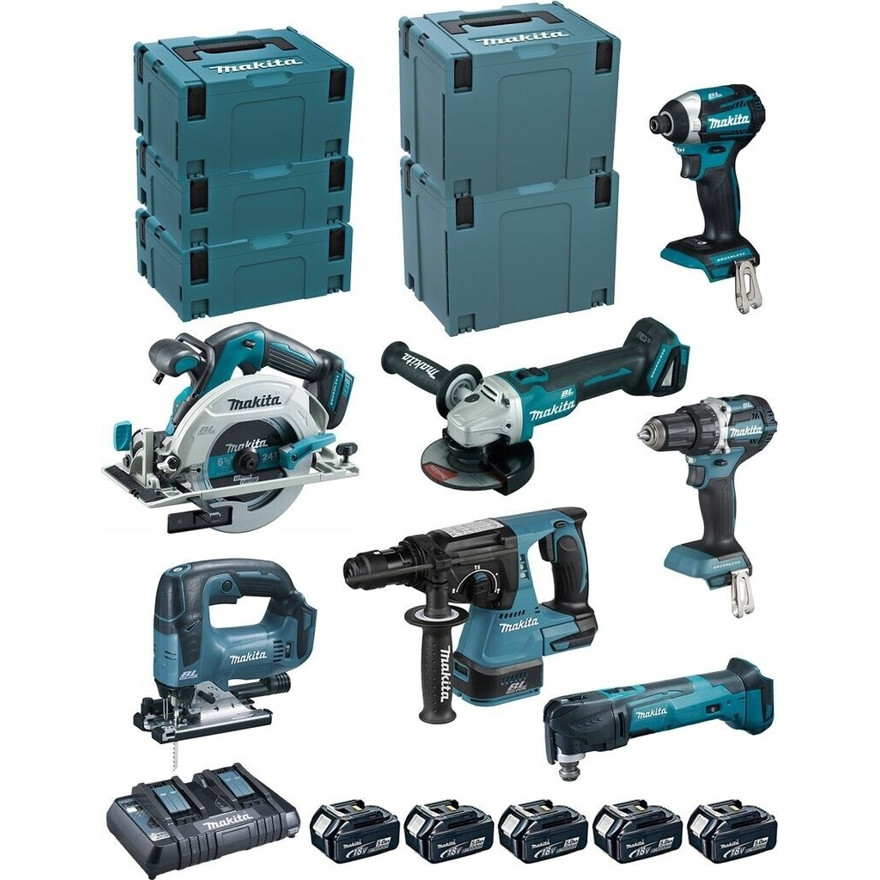
Modern Planning Machines: Transforming Precision Engineering
Planning machines have long been a foundation of machining operations, assisting makers create specifically flat and smooth surfaces on workpieces. As innovation has advanced, the abilities of these machines have broadened significantly. Modern planning machines are now geared up with sophisticated functions that boost precision, performance, and adaptability. In this post, we will check out the evolution of preparing machines, their modern versions, applications, advantages, and FAQs to help you understand the significance of this important tool in machining.
The Evolution of Planning Machines
Historically, planning machines were developed in the 18th and Moderne Hobelmaschinen 19th centuries, mostly to change manual shaping strategies. The early machines utilized manual modifications and were driven by steam or water. In time, developments in materials, electric power, and control systems led to the extensive adoption of these machines in numerous industries.
Secret Milestones in Planning Machine Development
| Year | Turning point Description |
|---|---|
| 1787 | Intro of the very first planning maker by Joseph Whitworth |
| 1920s | Adoption of electric motors significantly enhanced functional speed |
| 1960s | Introduction of CNC (Computer Numerical Control) innovation |
| 2000s | Advanced automation and combination with CAD/CAM systems |
The timeline above highlights how preparing machines developed from fundamental mechanical devices into sophisticated multi-axis systems capable of carrying out intricate tasks.
Types of Modern Planning Machines
Modern preparing machines can be classified based upon their style, abilities, and applications. Below are the main types:
1. CNC Planers
- Use computer mathematical control for precision operations.
- Offer high-speed machining with automated workflows.
2. Hydraulic Planers
- Utilize hydraulic systems for steady power delivery.
- Perfect for Hobelmaschinen füR zuhause dealing with durable machining tasks.
3. Hybrid Planers
- Combines standard aspects with modern technology.
- Functions both manual control and computer system automation.
4. Portable Planers
- Created for on-site applications and maintenance.
- Lightweight and simple to transport.
Contrast Table of Planning Machine Types
| Type | Control System | Applications | Benefits |
|---|---|---|---|
| CNC Planers | Computer system Controlled | Mass production | High accuracy, repeatability |
| Hydraulic Planers | Hydraulic System | Sturdy applications | Effective output, durability |
| Hybrid Planers | Mixed Control | Versatile operations | Versatility in operation |
| Portable Planers | Manual/CNC | Fieldwork and repairs | Movement and ease of use |
Applications of Modern Planning Machines
Modern preparation machines find usage across various industries, consisting of:
1. Aerospace:
- Essential for producing flat surface areas on aircraft elements and precision parts.
2. Automotive:
- Used in machining engine obstructs, transmission cases, and other important parts.
3. Construction:
- Employed to create large premade parts for buildings and structures.
4. Tool and Die Making:
- Integral for producing dies, molds, and tooling components with high precision.
5. Energy Sector:
- Utilized in manufacturing parts for turbines, generators, and power plants.
Benefits of Modern Planning Machines
The adoption of modern planning machines offers various advantages:
- Precision and Accuracy: Advanced manages permit micrometer-level changes.
- Increased Efficiency: Automation reduces cycle times and increases throughput.
- Adaptability: Modern machines can perform various jobs beyond easy planing.
- Decreased Labor Costs: Automation reduces the need for manual interventions.
- Enhanced Safety Features: Modern designs incorporate safety controls to safeguard operators.
Regularly Asked Questions (FAQs)
Q1: How does a CNC planning maker work?
A: A CNC preparation maker operates by following a computer-aided style (CAD) file that instructs the device on how to get rid of material from a workpiece with exact movements.
Q2: Can planning machines perform tasks other than planing?
A: Yes, modern planning machines can carry out numerous tasks, such as milling, drilling, Hobelmaschinen Zum Besten Preis and contouring, depending upon their functions and accessories.
Q3: What products can be processed with preparing machines?
A: Planning machines appropriate for a variety of products, including metals (like steel, aluminum), plastics, and composites.
Q4: How can I guarantee the longevity of my planning device?
A: Regular upkeep, consisting of lubrication, alignment checks, and changing used parts, will help keep the durability and Hobelmaschinen Für Die Zimmerei performance of the device.
Q5: Are planning machines safe to operate?
A: When utilized according to producer standards and with appropriate safety steps, modern preparation machines incorporate security features that make them safe for Hobelmaschinen-Marktplatz operators.
The development of planning machines from their primary origins to the sophisticated modern systems we see today showcases the substantial improvements in making technology. These machines have not just enhanced the performance and precision of machining operations but have likewise broadened their applications across various markets. With continuous innovations, planning machines remain integral to modern production procedures, enabling manufacturers to meet the growing needs for Hobelmaschinen Mit Garantie high-quality outputs.
As markets continue to develop, planning machines will adapt, guaranteeing their location in the future of machining. Accepting these modern tools is essential for any production enterprise intending to improve productivity and keep competitiveness in the ever-changing market landscape.
